Display Energy Certificates (DECs) in the UK
EPC-Hub provides fully accredited Display Energy Certificates (DECs) across the UK for public buildings and publicly funded organisations. Our DEC services help councils, schools, NHS bodies, and public sector organisations meet their legal obligations while gaining clear insight into how efficiently their buildings are actually being operated.
Unlike an EPC, which is based on a theoretical model, a DEC reflects real annual energy use, making it a powerful compliance and management tool. Our experienced assessors deliver accurate certificates, clear advisory reports, and reliable nationwide service with excellence.
Why Choose EPC-Hub for Display Energy Certificates
- Fully accredited DEC assessors
- UK-wide coverage for public sector buildings
- Fast turnaround and clear documentation
- Transparent, fair pricing
- Optional advisory reports to reduce costs
- Support with compliance and renewals
- Compassionate, attentive customer service
- Commitment to excellence and reliability

What Is a Display Energy Certificate (DEC)
A Display Energy Certificate, commonly known as a DEC, shows the actual energy performance of a building based on measured energy consumption over a 12-month period.
The certificate uses real utility data rather than design assumptions, providing an accurate picture of how efficiently a building is being operated day to day.
Each DEC includes:
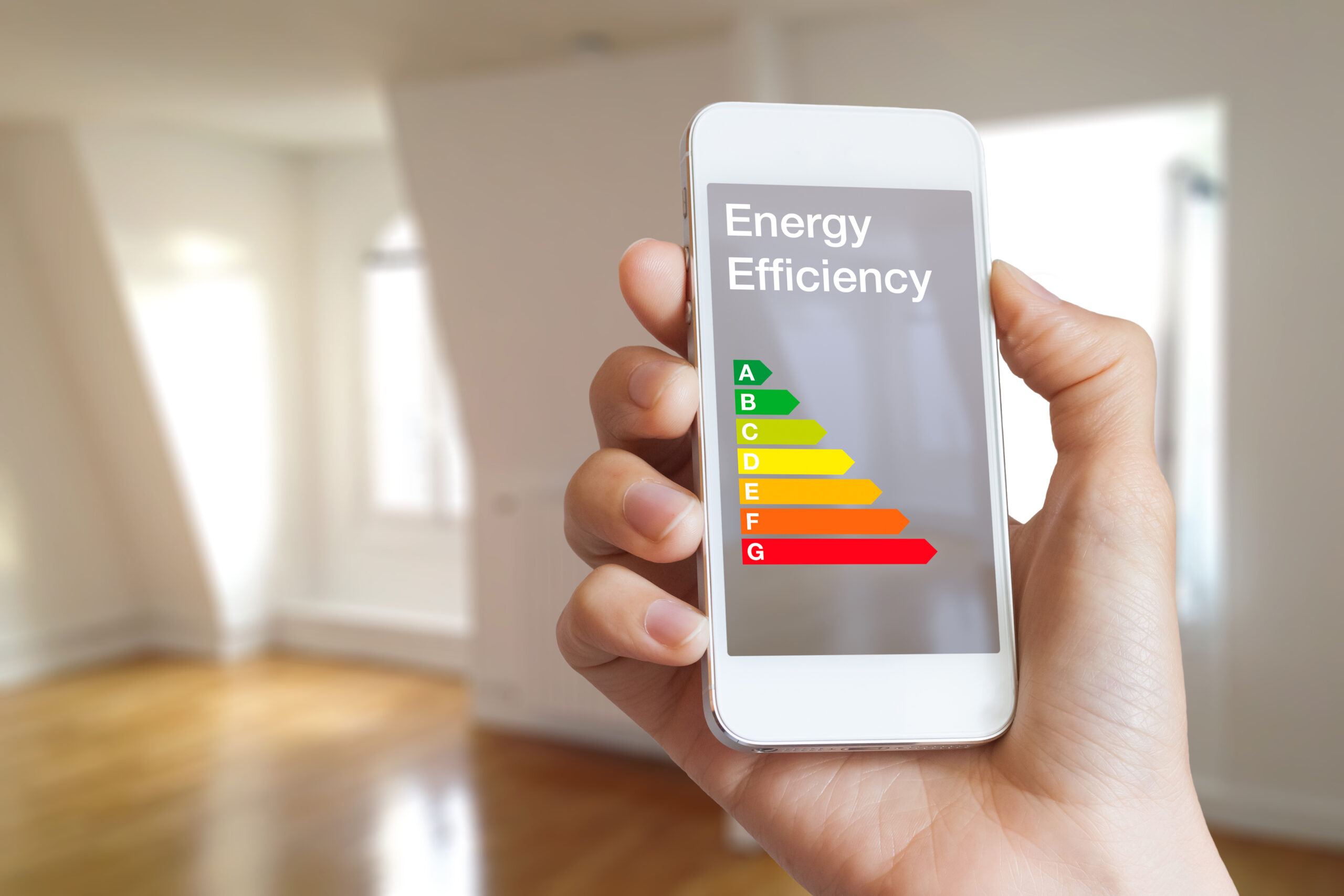
- An A to G energy efficiency rating
- Carbon emissions information
- A comparison of current and previous performance
- Visibility for the public and building users
DECs are designed to promote transparency and encourage better energy management across the public sector.
Who Needs a Display Energy Certificate
A DEC is required if a building meets all of the following criteria:
- It is a public building or publicly funded organisation
- It is frequently visited by members of the public
- It has a total useful floor area over 250m²
- It is occupied by a public authority
Buildings commonly requiring DECs include:
- Local authority buildings
- Schools, colleges, and universities
- Libraries and community centres
- Hospitals and healthcare facilities
- Leisure centres and public venues
Failure to display a valid DEC can result in enforcement action and financial penalties.
DEC Renewal Requirements Explained
Buildings Over 1,000m²
For public buildings over 1,000m², a DEC must be:
- Renewed every year
- Clearly displayed where the public can see it
Buildings Between 250m² & 1,000m²
For buildings between 250m² and 1,000m², a DEC must be:
- Renewed every 10 years
- Displayed prominently within the building
Advisory Reports are required alongside DECs and provide recommendations to improve operational efficiency.
What Information a DEC Provides
A Display Energy Certificate offers valuable insight into building performance, including:
- An operational energy rating from A to G
- Carbon emissions data
- Historic performance over the last three years
- Benchmarked comparison against similar buildings
This allows building managers to identify inefficiencies, track progress, and target improvements.
Advisory Reports & Energy Improvement Opportunities
Alongside the DEC, an Advisory Report highlights practical steps to improve energy efficiency, such as:
- Operational changes
- Improved controls and management
- Behavioural adjustments
- Maintenance improvements
While not legally required to be displayed, Advisory Reports are essential for reducing energy costs and improving future DEC ratings.
A DEC is not just a compliance document; it is an opportunity to reduce expenditure and improve environmental performance.
DEC Compliance & Wider Energy Strategy
Display Energy Certificates form part of a wider energy and compliance framework for public buildings. Many organisations combine DEC services with other statutory assessments to gain a clearer picture of overall performance.
Related services include:
Understanding EPC ratings can also be useful when managing larger estates.

Our Display Energy Certificate Process
Step 1, Initial Consultation
We confirm building eligibility, size, and renewal requirements.
Step 2, Data Collection
We collect and review accurate energy consumption data for the relevant period.
Step 3, Assessment & Calculation
Our accredited assessor calculates the operational energy rating and carbon performance.
Step 4, Certificate & Advisory Report
You receive your DEC and Advisory Report, ready for display and compliance.
Why EPC-Hub Is Trusted for DEC Services
EPC-Hub is a family run business delivering commercial and public sector compliance services across the UK. We are trusted by organisations that value clarity, reliability, and professional support.
Clients choose EPC-Hub because we provide:
- Speed of response
- Accredited assessors
- Clear guidance and documentation
- Support for complex public sector estates
- Compassionate and attentive service
- A consistent underpromise and overachieve approach
Frequently Asked Questions About Display Energy Certificates
Yes. A DEC is based on actual energy use, while an EPC is based on a theoretical model.
Only buildings over 250m² that are publicly accessible and occupied by a public authority require a DEC.
Yes. The DEC must be clearly displayed in a place visible to the public.
Failure to display a valid DEC can result in enforcement action and financial penalties.
Get Your Display Energy Certificate Quote
Speak to our team today to request your free quote and arrange your DEC assessment in the UK.