
Manufacturing & Assembly Facility EPC Services Across the UK
Manufacturing and assembly facilities require a considered approach to commercial energy assessments. Production lines, mechanical ventilation, industrial heating, cooling infrastructure and specialist building services can create complex environments where accurate energy modelling and careful assessment planning are essential.
Our assessors cover EPC Levels 3, 4 and 5, enabling us to assess everything from individual assembly workshops to large-scale manufacturing facilities incorporating multiple production zones, complex ventilation systems and sophisticated building controls.

Why Choose EPC-Hub for Manufacturing & Assembly Facilities?
- Accredited commercial EPC assessors covering Levels 3, 4 and 5
- Nationwide coverage across mainland UK
- Expertise in manufacturing and industrial production environments
- Experience with complex ventilation, heating and cooling infrastructure
- Detailed assessments for buildings with multiple operational zones
- Flexible site visits coordinated around production schedules
- Fast response and dependable project management
- Structured reporting with minimal disruption to manufacturing activities
- MEES consultancy and practical EPC improvement guidance
- Coordinated support for individual facilities and national manufacturing portfolios
- Wider industrial property compliance services available
- Family-run service focused on reliability, attentive customer care and EXCELLENCE
Speak to our team on 01213121575 or email hub@epchub.co.uk.
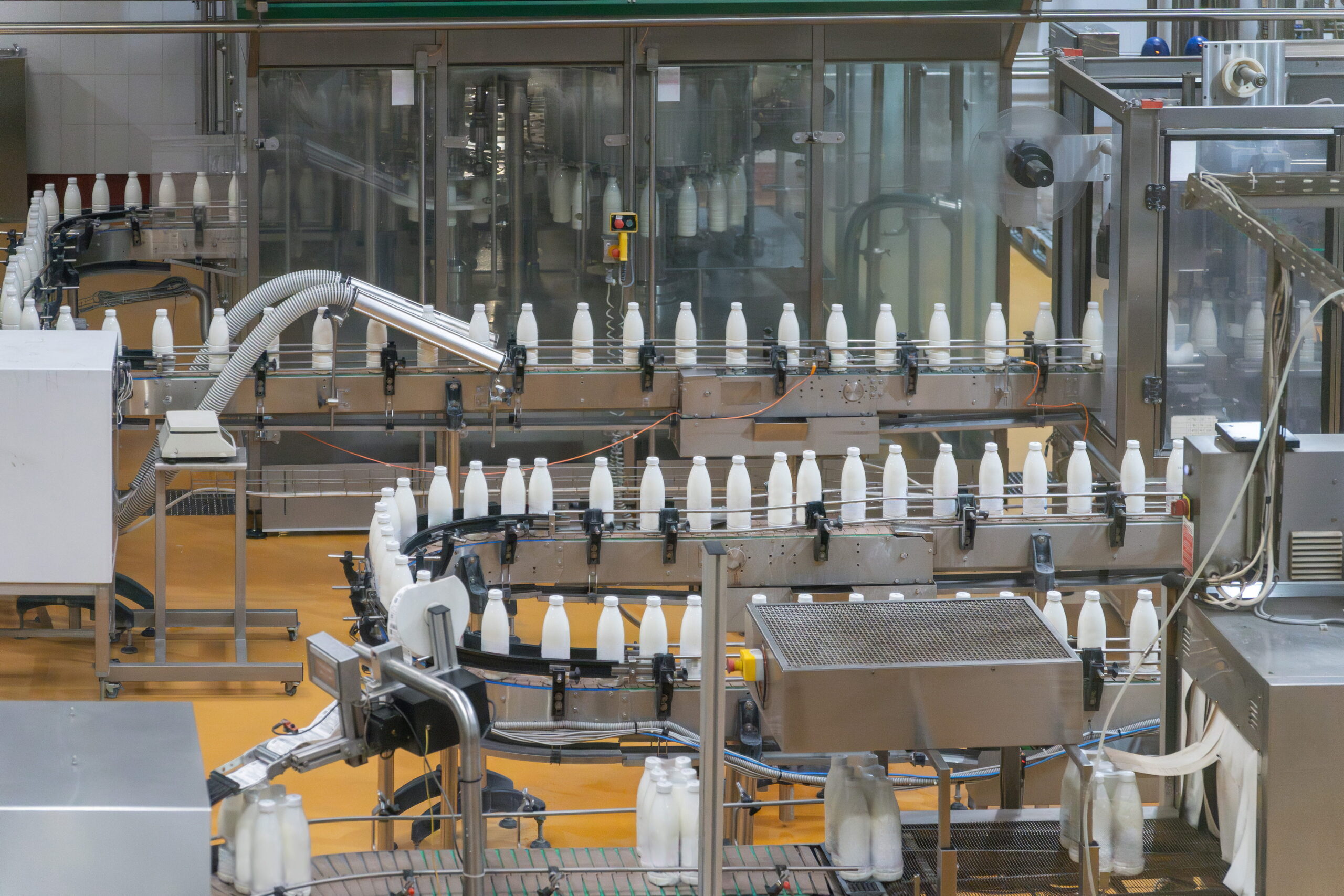
Commercial EPCs for Manufacturing & Assembly Facilities
A Commercial EPC assesses the energy performance of a non-domestic building and provides an energy efficiency rating from A to G.
Manufacturing and assembly facilities can vary significantly in their internal layouts, building services and environmental requirements.
A small component assembly workshop with relatively straightforward heating and lighting may require a different assessment approach from a large manufacturing facility incorporating automated assembly lines, mechanical ventilation, temperature-controlled workspaces and extensive administrative accommodation.
We support properties including:
- Manufacturing and assembly facilities
- Component assembly plants
- Automotive assembly facilities
- Electronics assembly centres
- Precision engineering facilities
- Mechanical assembly workshops
- Electrical equipment manufacturing premises
- Modular construction and prefabrication facilities
- Industrial equipment assembly plants
- Packaging and product assembly centres
- Fabrication and finishing facilities
- Product testing and assembly buildings
- Mixed manufacturing and assembly premises
- Multi-unit industrial production facilities
- National manufacturing and assembly portfolios
This dedicated service forms part of our wider support for Industrial & Logistics properties.
What Makes Manufacturing & Assembly EPC Assessments Different?
Manufacturing and assembly buildings often contain several distinct operational areas, each with different environmental conditions and building service requirements.
Unlike conventional commercial premises, assembly facilities may combine heated production floors, ventilated workstations, temperature-controlled assembly areas, inspection rooms, administrative offices and staff welfare spaces within the same building.
Depending on the property, an assessor may need to consider:
- Overall building size and internal configuration
- Production floor areas and ceiling heights
- Wall, roof and floor construction
- Insulation and glazing
- Industrial space-heating systems
- Mechanical ventilation and air handling
- Localised extraction and environmental controls
- Air conditioning and cooling infrastructure
- Temperature-controlled assembly areas
- General and task lighting
- Lighting controls and occupancy sensors
- Building management systems
- Office and administrative accommodation
- Quality inspection and testing areas
- Staff welfare and changing facilities
- Hot water systems
- Differences between conditioned and unconditioned spaces
When Does a Manufacturing & Assembly Facility Need a Commercial EPC?
A Commercial EPC is commonly required when a qualifying manufacturing or assembly property is:
- Sold
- Let to a new tenant
- Subject to a relevant lease transaction
- Newly constructed
- Significantly altered or refurbished where EPC requirements apply
For industrial landlords and manufacturing property owners, obtaining an accurate certificate can also be important when reviewing future lettability, property performance and compliance obligations.
MEES Support for Manufacturing & Assembly Facility Landlords
For privately rented manufacturing and assembly properties, EPC ratings can have important implications under the Minimum Energy Efficiency Standards.
In England and Wales, qualifying privately rented non-domestic properties generally require an EPC rating of at least E, unless a valid exemption applies.
Where a manufacturing facility receives a poor rating, EPC-Hub can provide structured consultancy to help landlords understand their compliance position and potential improvement options.
Our support can include:
- Reviewing existing EPC performance
- Identifying building elements affecting the rating
- Assessing industrial space-heating efficiency
- Evaluating ventilation and HVAC improvements
- Reviewing building control strategies
- Modelling lighting and control upgrades
- Assessing insulation and building fabric improvements
- Prioritising cost-effective energy efficiency measures
- 7-Year Payback planning
- EPC exemption guidance
- Split EPC Projects during refurbishment
- Development EPC Planning for future improvements

Manufacturing & Assembly Facilities Undergoing Refurbishment or Redevelopment
Assembly and manufacturing facilities are frequently adapted to accommodate new production lines, changing product requirements, equipment upgrades and operational expansion.
These alterations can create opportunities to improve building energy performance.
Typical works may include:
- Reconfiguring production and assembly areas
- Upgrading industrial heating systems
- Replacing or improving mechanical ventilation
- Installing more efficient air handling equipment
- Improving extraction system controls
- Upgrading cooling systems
- Replacing older lighting with LED installations
- Introducing zoned lighting controls
- Improving roof and wall insulation
- Replacing glazing or rooflights
- Upgrading building management systems
- Refurbishing office and welfare accommodation
- Creating additional assembly or inspection areas
- Extending manufacturing buildings
Where significant investment is planned, understanding the potential EPC implications before work begins can help property owners make better-informed decisions.
Our Development EPC Projects can help establish an improvement strategy, while Split EPC Projects provide assessments before and after refurbishment to help demonstrate changes in building performance.
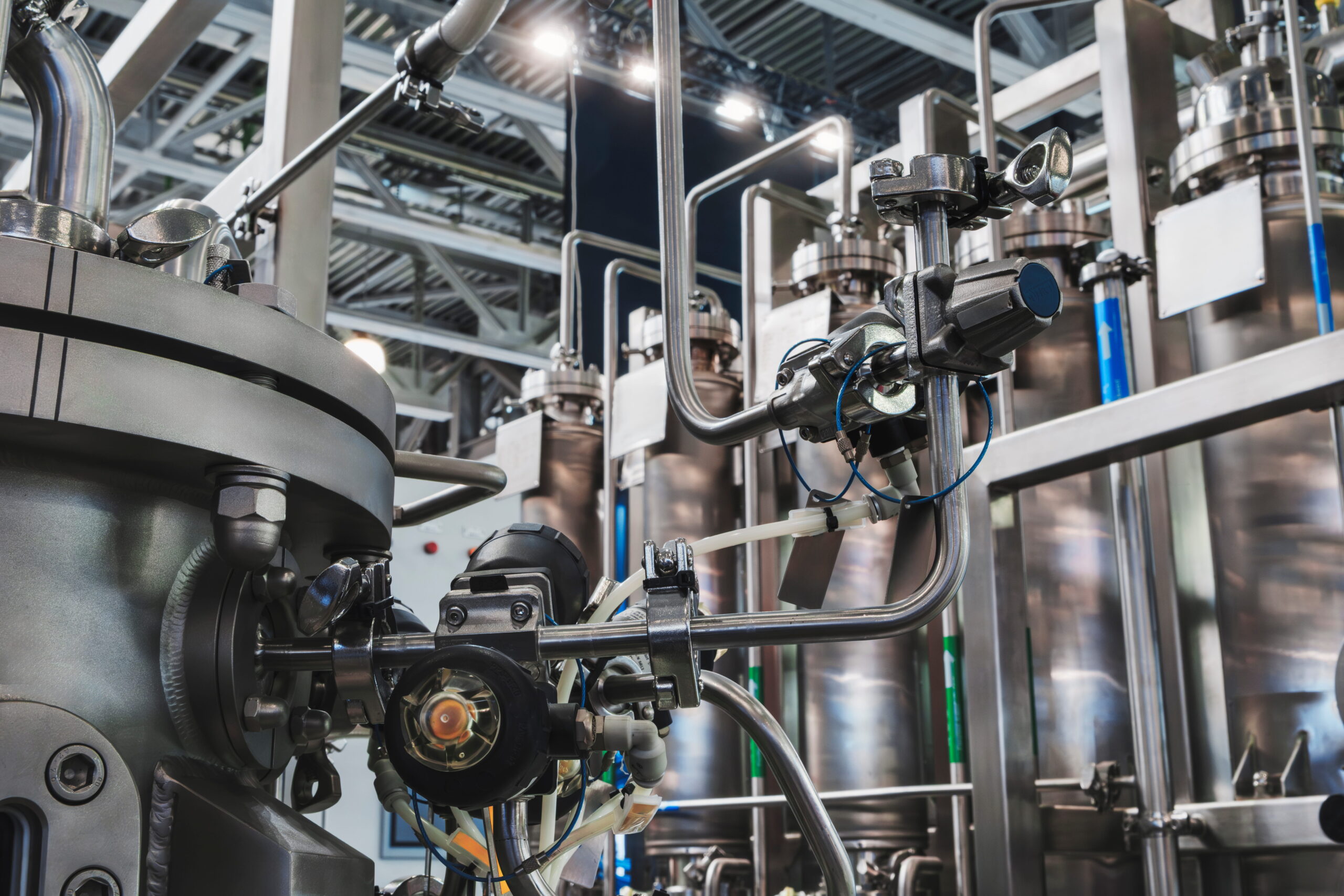
Supporting Individual Assembly Facilities & National Manufacturing Portfolios
EPC-Hub supports both individual manufacturing property owners and organisations responsible for extensive production and assembly estates.
A portfolio-led approach can help with:
- Centralised project management
- Coordinated site access
- Regional assessment scheduling
- Consistent reporting standards
- EPC expiry monitoring
- Identification of lower-rated buildings
- Portfolio-wide MEES planning
- Prioritisation of improvement projects
- Reduced administration for facilities teams
This can be particularly valuable for manufacturers operating several assembly facilities with different building ages, ventilation arrangements, heating systems and operational requirements.
Additional Compliance Services for Manufacturing & Assembly Facilities
Manufacturing and assembly facility operators often have compliance responsibilities extending beyond Commercial EPC certification.
EPC-Hub provides a wider range of services through our commercial property services, including:
- Commercial EPC Assessments
- TM44 Air Conditioning Inspections
- Fire Risk Assessments
- Asbestos Management Reports
- BRUKL Reports
- Display Energy Certificates
- Split EPC Projects
- Development EPC Planning
- 7-Year Payback Planning
- EPC & MEES Exemption Guidance
Where appropriate, coordinating multiple property compliance requirements through one provider can simplify administration and help facilities managers maintain clearer oversight of their responsibilities.
For manufacturing buildings with extensive air conditioning infrastructure, TM44 inspections may also be relevant where qualifying systems exceed the applicable capacity threshold.
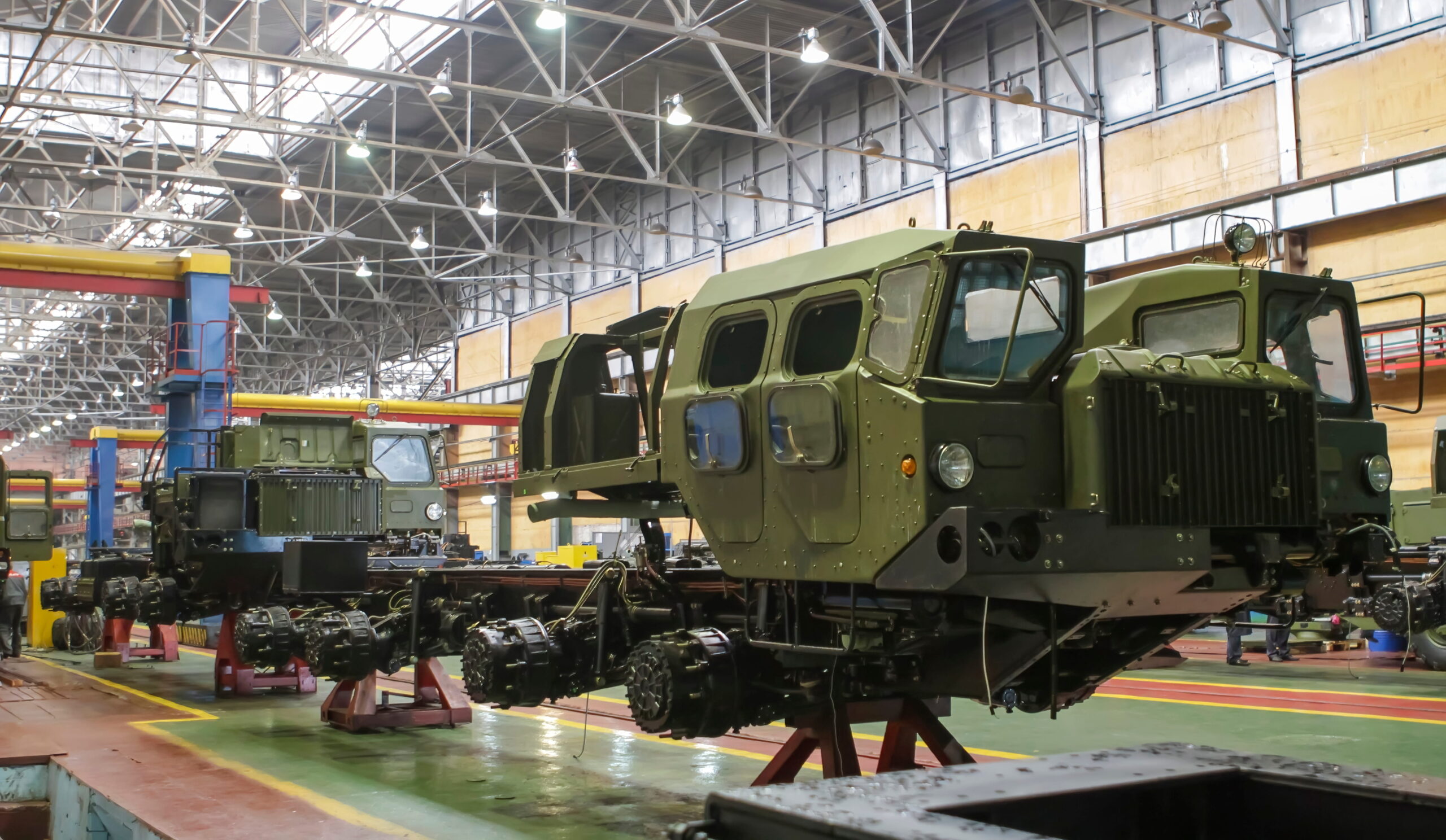
Our Process
We begin by gathering information about the manufacturing or assembly facility, including:
- Approximate building size
- Manufacturing and assembly activities
- Internal layout and building zones
- Construction and insulation
- Heating systems
- Cooling and ventilation infrastructure
- Extraction and air handling systems
- Office and welfare accommodation
- Building management controls
- Production schedules and access restrictions
- Recent refurbishment or system upgrades
- Existing EPC documentation
This helps us determine the likely assessment complexity and identify any operational considerations before arranging the site visit.
An accredited assessor visits the property and records the building information required for the energy model.
This may include:
- Building dimensions and zoning
- Walls, roof and floors
- Insulation and glazing
- Rooflights and external doors
- Industrial space-heating systems
- Air conditioning and cooling
- Mechanical ventilation
- Relevant extraction and air handling systems
- General and task lighting
- Lighting controls
- Hot water systems
- Office and welfare facilities
- Relevant building management systems
For active manufacturing and assembly environments, our team works with site managers and facilities personnel to coordinate access around production requirements.
Following the survey, the building is modelled using the appropriate approved methodology according to its characteristics and building services.
Depending on complexity, this may involve SBEM or Dynamic Simulation Modelling.
You receive the Commercial EPC together with the associated recommendations report.
Our reporting provides a clear record of the building’s assessed energy performance and identifies potential opportunities for improvement.
If the resulting EPC rating raises compliance concerns, EPC-Hub can help identify possible next steps.
For manufacturing and assembly facilities, this may involve reviewing space heating, ventilation, HVAC controls, lighting, insulation or other building elements relevant to the EPC calculation.
Rather than relying on generic recommendations, we help landlords and property teams understand which improvements may be most relevant to their particular building and compliance objectives.
Supporting Manufacturing & Assembly Facilities Across the UK
EPC-Hub provides nationwide Commercial EPC coverage, supporting manufacturing and assembly facilities throughout mainland UK.
Our service areas include:
- London
- Birmingham
- Manchester
- Bristol
- Leeds
- Nottingham
- Reading
- Southampton
- Oxfordshire
- The Midlands
- South East
- South West
- North West
Our nationwide assessor network allows us to coordinate assessments for individual manufacturing premises as well as extensive multi-site industrial portfolios.
Whether your facility is located within a major manufacturing region, an industrial estate or a national production network, we provide assessment support designed around your building and operational requirements.
View our full service area.
Frequently Asked Questions
Most qualifying manufacturing and assembly properties require a Commercial EPC when they are sold, let or newly constructed, subject to the applicable regulations and exemptions.
Certain industrial buildings or workshops with low energy demand may be exempt, so the building’s specific characteristics should be reviewed before assuming certification is required.
The required assessment level depends on the building’s complexity and services rather than simply its floor area.
A straightforward assembly workshop may require a Level 3 assessment, while a large manufacturing facility with complex HVAC, ventilation and environmental controls may require Level 4 or Level 5.
Yes. EPC assessments can normally be coordinated around active manufacturing and assembly operations.
Yes. Our Multiple Site EPC service supports organisations managing manufacturing and assembly properties across multiple UK locations.
Automated assembly lines and specialist production equipment can contribute significantly to a facility’s actual electricity consumption.
However, standard Commercial EPC calculations primarily assess regulated building energy uses rather than all energy consumed by industrial processes.
Production equipment is not necessarily included directly in the EPC calculation, although associated building services may be relevant.
Yes. Our Development Projects and Split Projects services can help clients assess existing building performance, plan improvements and review outcomes following refurbishment.
Book Your Manufacturing & Assembly Facility EPC
Whether you own an individual assembly workshop, manage a large manufacturing facility or oversee a nationwide portfolio of production properties, EPC-Hub provides accredited Commercial EPC assessments backed by dependable project coordination and practical compliance expertise.
We understand the characteristics that make manufacturing and assembly environments different: complex ventilation systems, industrial heating, specialist production areas, varied environmental requirements, multiple building zones and the need to maintain operational continuity.
Call 01213121575, email hub@epchub.co.uk or contact EPC-Hub today to discuss your manufacturing or assembly facility.